

A Reflection for Pilgrim Congregational Church, UCC, Lexington
Rev. Reebee Kavich Girash
August 17, 2025
Psalm 128:1-2
1
Happy is everyone who fears the Lord,
who walks in God’s ways.
2
You shall eat the fruit of the labor of your hands;
you shall be happy, and it shall go well with you.
Ephesians 5:1-2
1 Therefore be imitators of God, as beloved children, 2 and walk in love, as Christ loved us and gave himself up for us, a fragrant offering and sacrifice to God.
–
Bless to me O God
The earth beneath my feet.
Bless to me O God
The path on which I go.
Bless to me O God
The people whom I meet.
From: Celtic Prayer from Iona, compiled by J Philip Newell
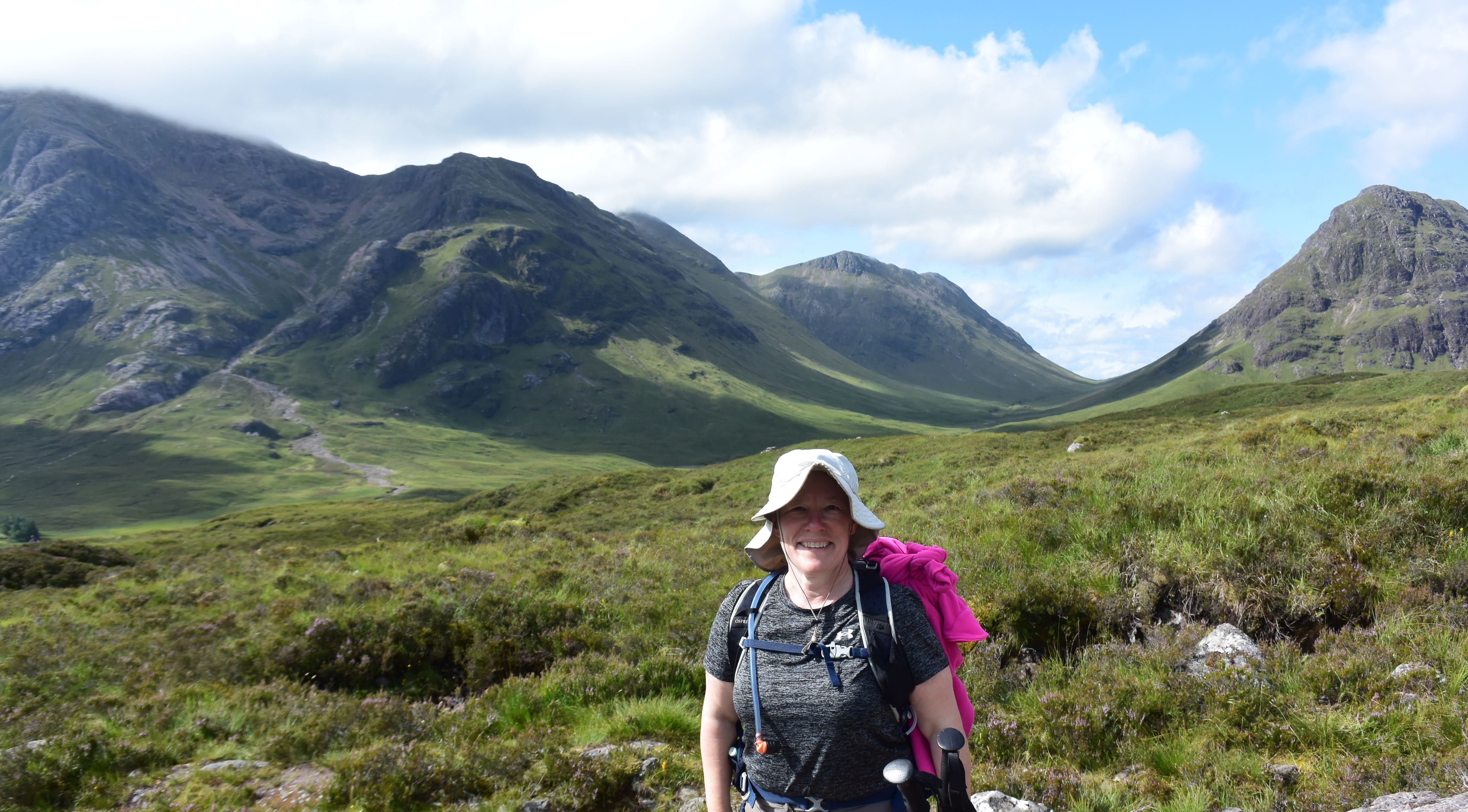
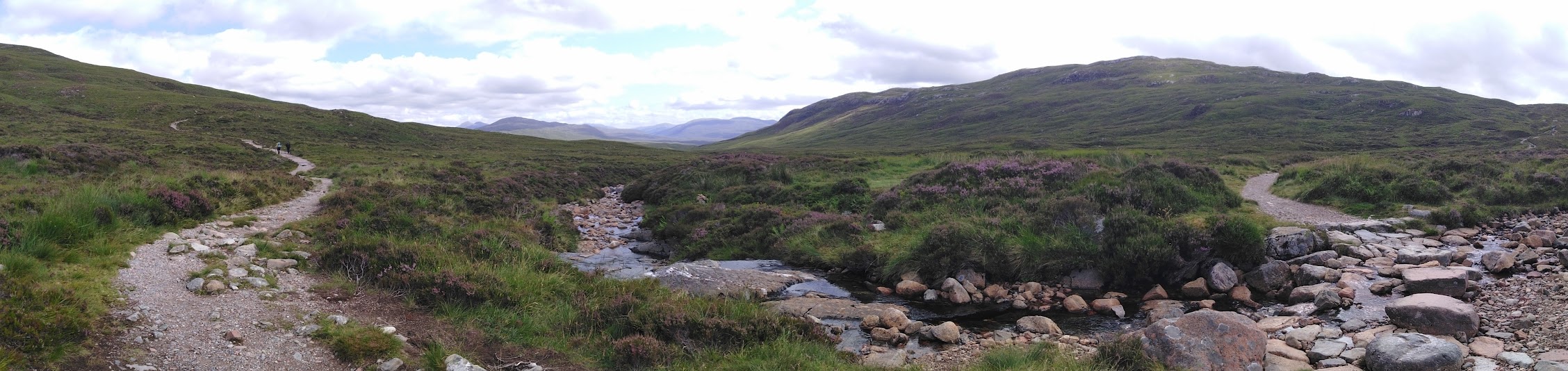
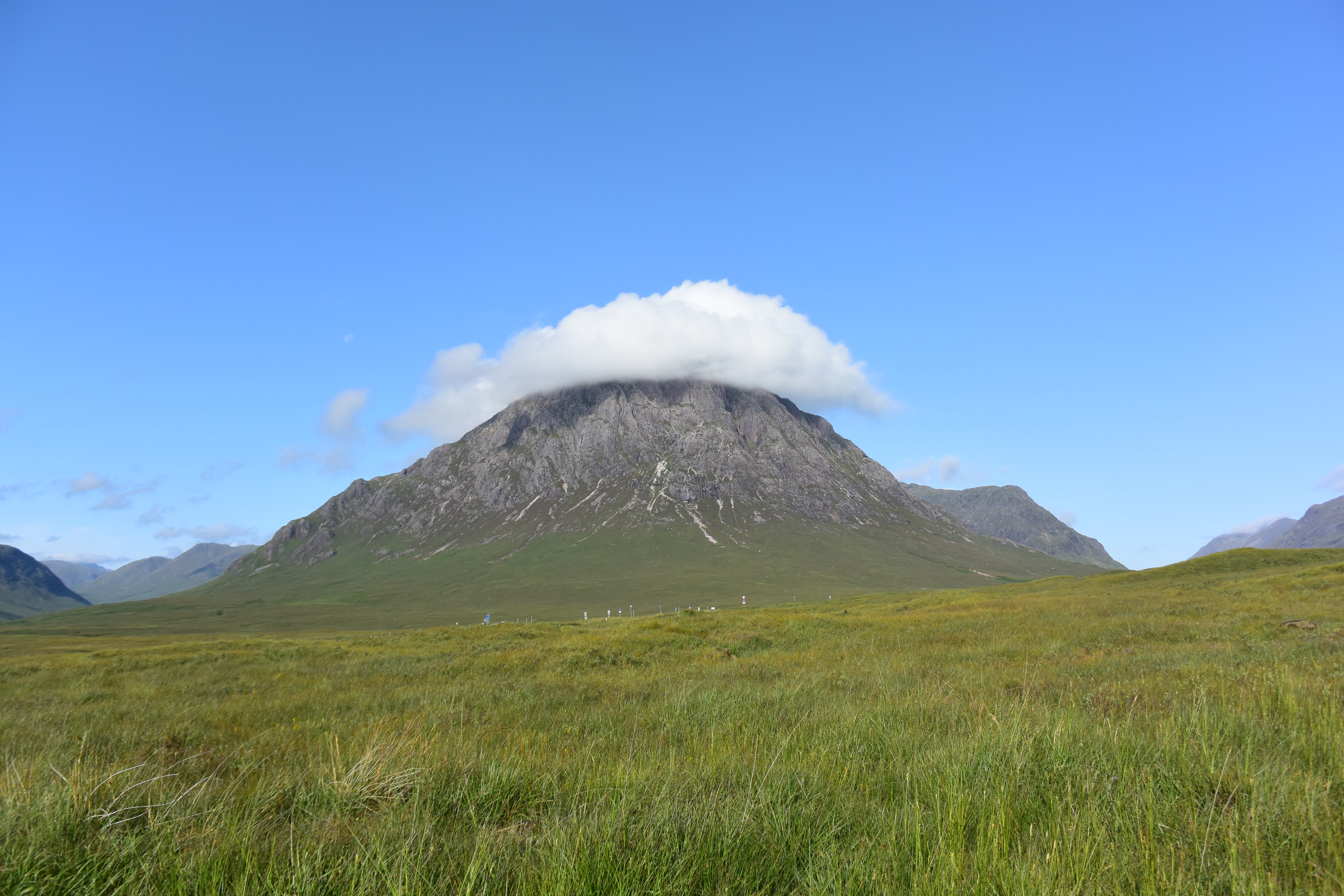
I walked the West Highland Way as a part of my sabbatical. It’s a 96 mile hike that runs from Milngavie (outside Glasgow, Scotland) to Fort William – though my phone said 106 miles when I completed the path on my eighth day, and so I’m claiming the “century.” It was at the same time one of the hardest and one of the easiest things I’ve ever done. The hard parts were obvious: hiking on my own an average of twelve miles a day, up and down big hills, over gravel and tree roots, along drovers’ roads and through swarms of Scottish midges. But all this made it easy, too: my sole focus for those eight days was on walking, which I did as a pilgrimage journey of sorts. In fact, for the first part of my sabbatical, my work was to walk in preparation for this journey, and to spend time with family and friends. Easy. On the West Highland Way, my focus was singular. My schedule, my pace, my snack choices, my thoughts. Long days? Yes. But easy ones, too.
And that’s actually what I want to highlight to you this morning. The kind words. The blessings of the West Highland Way that I think can extend to all of us, whether or not we’re hill walking through the Scottish Highlands.
What I’m saying here is that if a random group of strangers can love each other – we can all love our neighbors. Walk in Christ’s way.
Offering blessings and kind words became part of my spiritual practice on this eight day journey. I was very intentional about this as a daily habit. When I was walking by myself, particularly in the early morning, I prayed for all my folks back home. And when I walked alongside someone – or was passed by another walker – I picked a word or idea each day to offer as a blessing, silently or aloud, for my fellow travelers. It was a form of prayer. It was an offering of love. I didn’t say, “hey, I’m praying for you” or “would you like a blessing?” Honestly I flew under the radar as clergy or even Christian most of the time. I just offered a little word that was my theme for the day, in some manner subtle or obvious.
The first day the blessing word was excitement. We were all fresh at that point, and eager. May your walk be exciting – but not too exciting.
On the second day, which is known as the hardest because it goes over Conic Hill, the blessing word was courage. Be of good courage I said to many people on the very long switchback up Conic Hill. Being passed by so many, I had a lot of opportunities to bless.
The third day, which was very very hot and the only day I came close to running out of water, the blessing was Stay Strong!
The next day, which was so bright and sunny all day, the blessing word was Lively. Thinking of the Iona prayer, Creator around me, Christ accompanying me, Spirit animating me, I offered that Spirit to sore-footed passersby: keep stepping Lively.
Sunday was day five, and brought me to a sweet Church of Scotland service in Bridge of Orchy. The gospel for that day was the Good Samaritan. Who was a neighbor? The one who showed mercy. So my blessing word was care: Take good care, now.
Monday we walked across Rannoch Moor. In rain. No breeze. Loads of Midges. A tough day for us. So the blessing word this day was Hope. Hope to see you in Kingshouse, our next stop.
Day 7 was just the most beautiful day I’ve ever experienced outside, and I was filled with joy and wanted everyone to feel the same so the blessing that day was joy. Enjoy your walk.
And then it was Day 8. The end! The blessing word was blessing. Blessings on your journey (the West Highland Way and whatever your future journey may be).
At the very end of the Way, the path brings you through a commercial district lined by shops and pubs. The cynical part of me thought: that’s so everyone is funneled right into commercialism before we even finish the route. But actually this turned out to be another great blessing of the Way for me. Because, a block from the end – just before the statue of the hiker with tired feet – I heard my name called out with joy, and people clapping. For me! Some of those same trail buddies who had gotten there faster sat on the sidewalk with their fries and drinks and turned to watch hikers come in those last, hobbling steps of the last, long day. And our trail friends cheered us, blessing us right over the finish line.
And this is the blessing we can offer to each other every day, in hiking boots or patent leather heels. We can bless people for how far they’ve made it today. Well done. Look what you did! Which also translates to, I love you, Neighbor.
Maybe you want to try this. Pick a blessing word and notice the people who share your path. Don’t make a big show of it (I am certain no one who walked beside me on the way knew what I was doing, and that’s never the point of a blessing). Just bless folks and pray for them – and notice who has made it so far today, and notice and help those who are stuck. Because we all need trail buddies, every day.
Amen.
 Rev. Reebee Kavich Girash